Best Dentist in Calabasas for Smile Confidence and Lasting Results
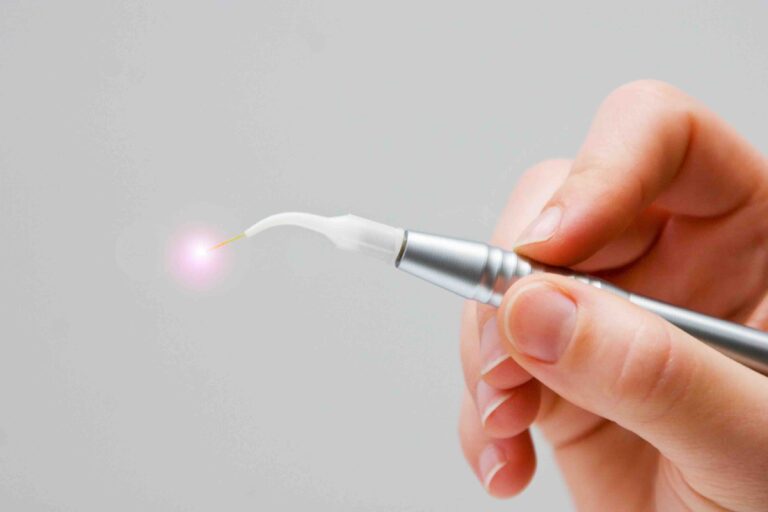
A great smile changes more than a photo. It changes how people speak in meetings, how they laugh at dinner, how they show up on dates, and how comfortable they feel under bright light. That is why the search for the best dentist in Calabasas often starts with something personal. A chipped front tooth before a wedding. A child who suddenly fears cleanings. A professional who has spent years hiding stained or worn teeth behind a closed-mouth smile. Sometimes the issue is cosmetic, sometimes functional, and often it is both.
When people look for a dentist in Calabasas, they are rarely shopping for a procedure alone. They are looking for judgment, consistency, and trust. They want someone who can spot a small problem before it becomes a root canal, explain treatment without pressure, and deliver work that still looks and feels right years later. Those details separate a decent dental visit from a dental home people stay with for a decade.
Calabasas patients tend to have high expectations, and reasonably so. They want strong clinical standards, modern technology where it actually improves care, a staff that respects their time, and results that do not look overdone. The right dentist balances health, aesthetics, comfort, and long-term planning. That balance is where smile confidence really comes from.
What makes a dental practice stand out in Calabasas
A top rated dentist Calabasas patients recommend usually earns that reputation over time, not through marketing language. Reputation in dentistry spreads through lived experience. It shows up when a patient says their crown still feels perfect five years later. It shows up when someone who hated dental visits starts coming in on schedule because the office made the process manageable. It shows up when treatment plans make sense financially and medically, instead of feeling inflated or rushed.
Skill matters first. That sounds obvious, but people often underestimate how much nuance exists in routine dentistry. A filling is not just a filling when bite alignment is slightly off. Whitening is not just whitening when enamel is thin and teeth are prone to sensitivity. Veneers are not simply cosmetic if the patient also grinds at night and has edge wear that will shorten their lifespan unless the bite is addressed. The best dentist in Calabasas sees the whole picture and plans accordingly.
Communication matters just as much. Many patients can tolerate discomfort more easily than uncertainty. They want to know what the dentist sees, what the options are, what can wait, what should not wait, and what the likely outcome will be. Good dentists do not bury people in jargon. They translate. They show the X-rays, point to the crack line, explain why a small cavity can still be watched in some cases and treated early in others. That kind of clarity lowers anxiety and improves decisions.
Then there is consistency. Beautiful cosmetic work means less if basic preventive care is disorganized. A dentist who runs late best dentist in Calabasas every visit, changes staff constantly, or gives different answers from one appointment to the next creates friction that patients feel immediately. In real life, trust is built in the small moments, the front desk remembering a patient’s schedule constraints, the hygienist noticing gum irritation before it worsens, the dentist checking a recent crown because the patient mentioned a slight pressure when chewing.
Smile confidence starts with health, not just appearance
People often arrive wanting whiter, straighter, or fuller-looking teeth. Those are valid goals. Still, lasting results begin with healthy foundations. Gums must be stable. Existing decay must Dentist Calabasas be treated. Bite forces have to be evaluated. If someone has chronic clenching, acid erosion, recession, or untreated inflammation, cosmetic treatment without addressing those issues is a short-term fix at best.
This is where an experienced Dentist Calabasas patients trust will slow the process down, at least initially. That restraint is a good sign. It means the dentist is not chasing a quick before-and-after photo. It means they are thinking beyond the next few months. If whitening would aggravate sensitivity, they may recommend desensitizing care first. If veneers are possible but conservative bonding would preserve more natural tooth structure, a thoughtful dentist discusses both. If crowded teeth make flossing difficult and contribute to gum inflammation, orthodontic correction may create benefits far beyond aesthetics.
One patient scenario comes up often in practices that focus on both cosmetic and restorative care. A person wants to improve their smile for professional reasons, but years of grinding have flattened the edges of the front teeth. They assume veneers are the answer. Sometimes they are. But if the bite is unstable, simply placing veneers without a night guard strategy, muscle assessment, or bite adjustment can lead to chipped porcelain and recurring frustration. The dentist who talks through those details may sound more cautious, yet that caution usually saves money and preserves results.
The reverse is also true. Some patients put off cosmetic dentistry because they think it is frivolous. It is not. Confidence affects behavior. People who like their smile often smile more, speak more freely, and are more willing to maintain their oral health. Cosmetic improvements done responsibly can have a real quality-of-life effect. The key word is responsibly.
The difference between a quick fix and lasting dental work
There is a reason some dental work disappears into daily life while other work becomes a constant source of irritation. Lasting dentistry requires careful diagnosis, sound materials, and precision in execution. That applies whether the treatment is a filling, implant, crown, aligners, or veneer case.
Take crowns, for example. A crown that looks good on day one but traps food because the contact is poor, or feels tall because the bite was not refined, will not feel successful to the patient. The same goes for clear aligner treatment that straightens front teeth but leaves chewing surfaces misaligned, or whitening that brightens teeth unevenly because old bonding was not accounted for. Dental results live in function as much as appearance.
Experienced dentists think in timelines. What will this restoration look like in three years? What happens if the patient misses cleanings? How will this material hold up if they drink coffee daily, clench at night, or play sports? Those questions rarely appear in promotional copy, but they drive the quality of real care.
Material selection matters too, though it should not be reduced to buzzwords. Different ceramics and composites have different strengths, translucency, repairability, and wear profiles. An anterior veneer case for someone with high aesthetic demands is not the same as a posterior crown for a heavy grinder. A patient does not need a lecture in material science, but they do deserve treatment choices based on more than convenience.
How to evaluate a dentist without getting lost in marketing
Every practice claims to be caring, advanced, and patient-centered. Those phrases do not help much. A better approach is to look for concrete signals that reflect how the office actually operates.
Here are a few things worth paying close attention to:
- Whether the dentist explains options clearly, including the pros, limits, and expected lifespan of each
- Whether the office documents and follows through, especially on treatment plans, insurance estimates, and post-procedure instructions
- Whether preventive care is emphasized, instead of every visit turning into a sales conversation
- Whether cosmetic work looks natural in photos and descriptions, not oversized, overly opaque, or identical from patient to patient
- Whether patients mention comfort, trust, and consistency, not just friendliness
These markers tell you more than a polished website. If reviews repeatedly mention feeling heard, never pressured, and happy with the fit and longevity of work, that is meaningful. If multiple people mention surprise fees, rushed visits, or dental work needing frequent adjustments, that matters too.
There is also value in asking one simple question during a consultation: “If this were your tooth, what would you do?” Good dentists usually answer with nuance. They may say they would monitor a spot rather than drill immediately. They may recommend the more conservative route even if it is less profitable. They may explain that the best aesthetic result involves staged treatment rather than trying to do everything at once. Their answer often reveals how they think.
Cosmetic dentistry that still looks like you
In affluent communities, many patients want a better smile but fear looking overdone. That concern is justified. Cosmetic dentistry can be transformative, but the best outcomes usually preserve character. Slight asymmetries, natural translucency, age-appropriate brightness, and harmony with facial features often matter more than sheer whiteness or uniformity.
This is where artistry enters the picture. A dentist can be technically strong and still miss the mark aesthetically if they do not understand facial balance, lip dynamics, and how teeth reflect light. The best dentist in Calabasas for cosmetic work tends to listen closely to how the patient describes their goals. Some want a dramatic change. Others want people to notice they look refreshed, not to ask what they had done.
Whitening is a good example. Professional whitening can be excellent, but it is not ideal in every situation. Existing crowns and bonding do not lighten the same way natural enamel does. Thin enamel can increase sensitivity. Tetracycline staining or internal discoloration may respond only partially. An honest dentist sets expectations, rather than promising a movie-star result that biology will not deliver.
Veneers require even more judgment. When done well, they can create beautiful, durable results. When overused, they can remove healthy tooth structure unnecessarily and produce a generic look. A thoughtful dentist considers alternatives such as whitening, reshaping, orthodontics, or bonding first, especially for younger patients. Conservative care is not less sophisticated. Often, it is more sophisticated.
Family dentistry and the long game of trust
For many households, the ideal dentist is not just someone who can place a crown beautifully. It is someone who can care for parents, teenagers, and younger children under one roof or within one coordinated care philosophy. Family dentistry succeeds when it recognizes that oral health is cumulative. Habits formed early, regular checkups, fluoride strategies, sealants where appropriate, monitoring growth and bite development, these shape long-term outcomes in quiet but important ways.
Children also set the emotional tone for future dental care. A child who is handled with patience and clarity is more likely to become an adult who keeps appointments and seeks treatment early. A child who feels shamed or frightened may avoid care for years. Good pediatric communication is not just about a cheerful room. It is about pacing, language, and respect.
Adults bring different concerns. They may be managing recession, older fillings, stress-related grinding, dry mouth from medication, or postponed treatment due to busy schedules. A strong family-oriented practice can track these patterns over time. That continuity matters. A dentist who has seen a patient’s bite changes, gum health trends, and restorative history over several years can make better decisions than someone meeting them cold in an emergency.
Technology helps, but judgment matters more
Digital X-rays, intraoral cameras, scanners, same-day crown systems, 3D imaging, and guided implant tools have improved many aspects of care. They can make diagnosis more precise, treatment more efficient, and patient communication clearer. A patient can see a crack on-screen and understand the recommendation immediately. A scanner can spare someone the discomfort of traditional impressions. A well-used CBCT scan can be invaluable for implant planning or difficult endodontic cases.
Still, technology is a tool, not a substitute for clinical judgment. A dentist in Calabasas who leans on technology effectively will use it to support better decisions, not to create a sense of urgency where none exists. More imaging is not always better. More procedures in a single day are not always better. Faster is not always better.
Patients often appreciate offices that invest in useful technology, but they trust dentists who know when not to overuse it. That restraint can be hard to spot at first. It usually reveals itself in the consultation, when recommendations are proportionate and individualized rather than standardized.
When “top rated” actually means something
Online ratings can be helpful, though they need interpretation. A top rated dentist Calabasas residents praise repeatedly should have more than a high star count. Look at the content of the reviews. Do patients mention specific treatment outcomes, long-term satisfaction, and respectful communication? Do they describe how problems were handled? Dentistry is not perfect. What matters is often how an office responds when a bite needs adjustment, a temporary comes loose, or a patient is anxious.
It is worth noticing whether a practice has a stable reputation across years rather than a burst of recent praise. Longevity suggests systems, not luck. A well-run practice tends to generate the same comments over time: thorough exams, gentle cleanings, clear explanations, natural cosmetic results, dependable follow-up. Patterns are more revealing than isolated glowing testimonials.
One practical sign of quality is how an office handles treatment that can wait. If every finding is framed as urgent, skepticism is healthy. Not all cavities need the same timeline. Not every old filling needs replacement today. Monitoring can be appropriate. So can phased treatment for budget reasons. Dentists who respect that reality tend to earn stronger loyalty.
Cost, value, and the real price of redoing dental work
Dental care is a financial decision as well as a health decision. In Calabasas, fees can vary based on training, materials, technology, location, and complexity. The cheapest option is not always the most affordable over time. Poorly fitting crowns, rushed cosmetic cases, and incomplete diagnosis often cost more when they have to be corrected.
That does not mean the highest fee is automatically justified either. Value comes from appropriate treatment, durable work, efficient scheduling, and good communication. Patients appreciate dentists who are transparent about what insurance may or may not cover, what alternatives exist, and where investment makes the biggest difference.
If a patient needs extensive treatment, a sound dentist typically prioritizes in stages. Active disease first, function second, aesthetics woven in thoughtfully rather than bolted on at the end. That kind of planning protects both health and budget. It also reduces the overwhelm many people feel when they hear several recommendations at once.
A well-run practice should be able to explain why one crown material costs more than another, why replacing a failing filling now may avoid a larger restoration later, or why aligners before veneers might reduce the amount of tooth preparation needed. Those explanations build confidence because they connect spending to outcomes.
Signs you may have found the right dentist
Most people know sooner than they expect. The feeling is usually not dramatic. It is a quiet sense that the office is paying attention. The dentist notices wear facets others skipped. The hygienist is thorough without being rough. The treatment coordinator gives numbers clearly. Follow-up happens when promised. The entire experience feels organized and calm.
The right Dentist Calabasas patients stay with often shares several traits at once. Clinical competence is obvious, but so is restraint. Aesthetic sense is refined, but so is respect for natural tooth structure. The office is polished, but not performative. Patients leave understanding what was done, what comes next, and why.
If you are deciding between practices, focus less on slogans and more on fit. A dentist can be excellent clinically and still not be the right match for your communication style or priorities. That is fine. Some patients want detailed technical explanations. Others prefer clear summaries. Some want comprehensive cosmetic planning. Others need practical, preventive-focused care. The best dentist in Calabasas for you is the one whose skill, judgment, and style align with your actual needs.
The connection between confidence and maintenance
A better smile is not a one-time event. It is maintained through cleanings, home care, bite protection when needed, and periodic reassessment. This is where good dentistry proves itself over time. The veneer case that still looks balanced years later, because the patient was given a proper night guard and monitored for wear. The implant that remains stable because gum health was managed carefully from the start. The whitening result that stays attractive because the patient was given a realistic maintenance plan instead of vague advice.
For patients who have invested in cosmetic work, maintenance is especially important. Small chips, stain accumulation on bonding margins, gum changes, and bite shifts can all affect appearance gradually. Addressed early, these issues are often manageable. Ignored, they become larger and more expensive.
A practical maintenance routine usually includes the following:
- Keep regular hygiene visits on the schedule recommended for your gum health, not just when it is convenient
- Use a night guard if you clench or grind, especially after veneers, bonding, or crowns
- Ask about sensitivity, bleeding gums, or bite changes early, before they become bigger problems
- Follow whitening or retainer instructions carefully after cosmetic or orthodontic treatment
- Treat small restorative issues promptly, because small repairs are easier than full replacements
None of this is glamorous, but it is where lasting results come from. Confidence grows when the smile feels dependable, not fragile.
Why patients stay loyal to a practice for years
Long-term dental relationships are built on predictability and respect. Patients stay when they feel the dentist sees them as a person, not a procedure. They stay when they are given honest timelines, when treatment works, and when small concerns are taken seriously instead of brushed off. They stay when cosmetic work still looks good years later, when children age into teen orthodontic questions and then adult restorative needs without having to start over with strangers.
That continuity has clinical advantages. A dentist who knows your history can tell whether a crack is new, whether recession is progressing, whether your bite has changed since stress increased, or whether a tooth that has been watched for two years is finally ready for treatment. This is the kind of accumulated knowledge patients cannot see directly, yet it often leads to better decisions.
For anyone searching “Dentist Calabasas” or “best dentist in Calabasas,” the real goal is not simply to find an appointment next week. It is to find a practice capable of protecting oral health, improving appearance where desired, and delivering results that still make sense years from now. Smile confidence is not just about beauty. It is about trust in the work, comfort in your own expression, and the relief of knowing your care is in steady hands.
That is what distinguishes a truly top rated dentist Calabasas patients continue to recommend. Not flash, not slogans, and not temporary polish. Skill, judgment, communication, and results that hold up in real life.
Oaks Dental
Address: 5000 Parkway Calabasas Suite 308, Calabasas, CA 91302, United States
Phone number: +18184312000
FAQ About Dentist Calabasas
What is the 50-40-30 rule in dentistry?
In cosmetic dentistry, the 50-40-30 rule is a smile design guideline used to map out the ideal, natural-looking proportions of the interdental contact areas (where your upper front teeth touch each other).
What dentist is a billionaire?
While no dentist has become a billionaire solely from treating patients in a private clinic, several dental entrepreneurs have built massive oral healthcare empires.
Can a dentist prescribe acyclovir?
Yes, a dentist can prescribe acyclovir. Because it falls within their scope of practice to diagnose and treat oral and perioral viral infections (such as herpes simplex/cold sores), they are legally authorized to write prescriptions for this antiviral medication.